
المؤتمر العلمي السنوي السابع عشر لجامعة التراث 2027
الابتكار والشراكات نحو جامعات منتجة ذات أثر مستدام
The 17th Annual Scientific Conference of Al-Turath University 2027
عن المؤتمر
الرؤية
أن يكون المؤتمر منصة علمية تسهم في ترسيخ دور الجامعات المنتجة في تحويل المعرفة إلى حلول تطبيقية ذات أثر مستدام.
الرسالة
توفير بيئة علمية تجمع الباحثين والأكاديميين والشركاء المحليين والدوليين لتبادل المعرفة وعرض البحوث العلمية الرصينة وتعزيز الابتكار والتعاون البحثي، ولتحويل المخرجات العلمية إلى مشاريع مبتكرة منتجة تسهم في خدمة المجتمع وتحقيق التنمية المستدامة.
أهداف المؤتمر
-
الابتكارتعزيز الابتكار في المجالات الطبية والهندسية والعلمية والاقتصادية، وتشجيع تطوير حلول مبتكرة تستجيب لاحتياجات المجتمع وتحديات التنمية.
-
الشراكاتتفعيل الشراكات الأكاديمية والبحثية المحلية والدولية من خلال تشجيع البحوث المشتركة، وتبادل الخبرات، ونقل المعرفة والتكنولوجيا، وتطوير برامج التعاون بين الجامعات والمؤسسات البحثية.
-
الجامعة المنتجةدعم التحول نحو الجامعات المنتجة من خلال ربط مخرجات البحث العلمي باحتياجات المجتمع وسوق العمل، وتعزيز دور الجامعات في إنتاج المعرفة وتحويلها إلى تطبيقات ذات قيمة اقتصادية ومجتمعية.
-
ريادة الأعمالالتشجيع على ريادة الأعمال ودعم تحويل الأفكار والنتائج البحثية إلى نماذج أولية ومنتجات وحلول قابلة للتطبيق بالتعاون مع المؤسسات والشركاء المحليين والدوليين.
-
التنمية المستدامةالإسهام في تحقيق أهداف التنمية المستدامة (SDGs) من خلال توجيه البحوث والابتكارات والشراكات نحو تحقيق أثر علمي واقتصادي وبيئي ومجتمعي مستدام.
المحاور العلمية وأهداف التنمية المستدامة
اختر محوراً لترى أهداف التنمية المستدامة التي يخدمها.
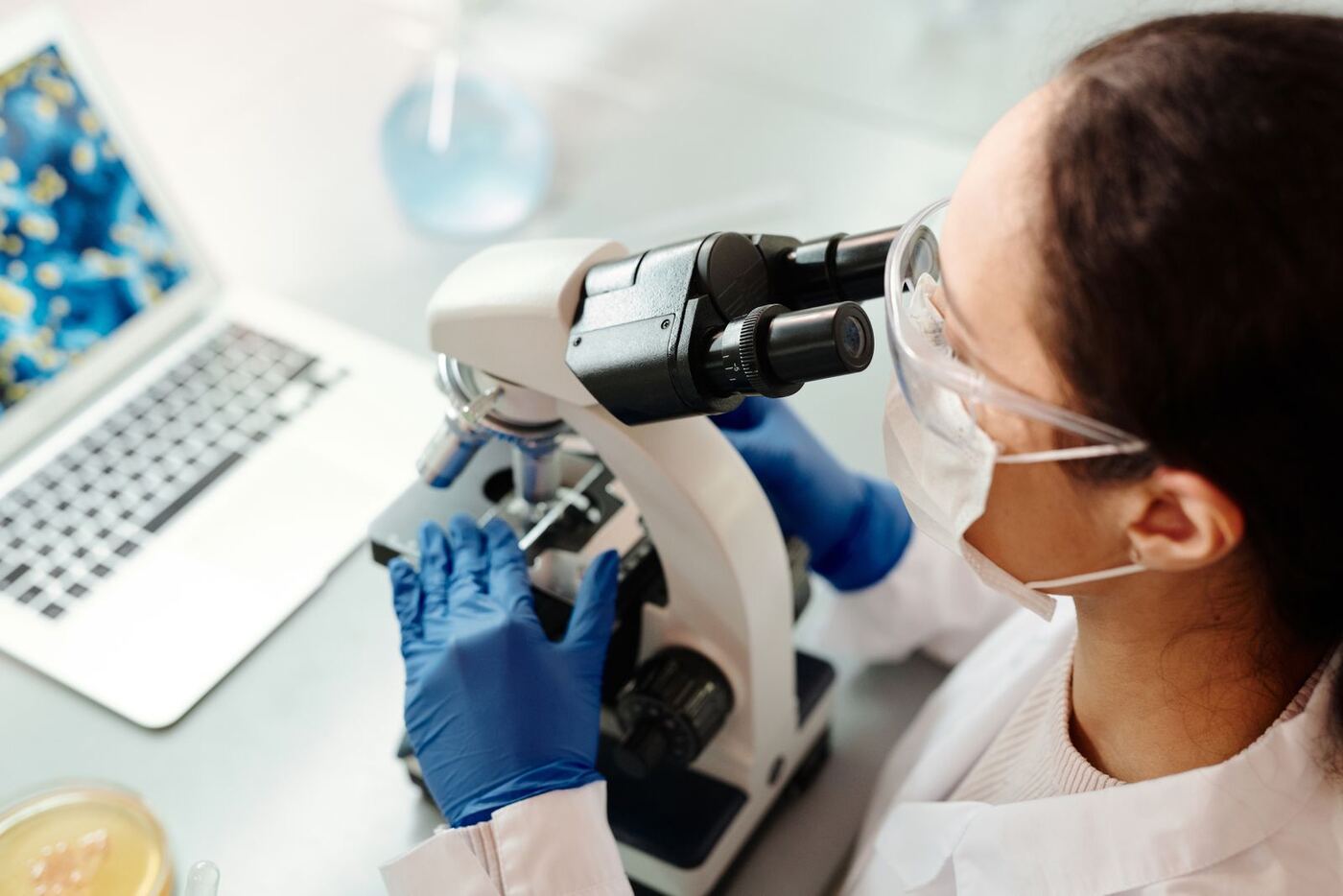
المحور الأول: الصحة والعلوم الطبية والصيدلانية
أهداف التنمية المستدامة: الهدف 3 – الصحة الجيدة والرفاه
موضوعات البحوث
الطب وطب الأسنان والصيدلة والصحة العامة والتشخيص والمواد الحيوية.
التخصصات التي يمكنها تقديم بحوث
الطب البشري، طب الأسنان، الصيدلة، تقنيات المختبرات الطبية، الصحة العامة، علوم الحياة، والهندسة الطبية الحيوية.
المحاور الفرعية
- التشخيص الطبي والتقنيات المختبرية المتقدمةبحوث الكشف المبكر عن الأمراض، وتطوير الفحوصات المختبرية الدقيقة، وتوظيف التقنيات الحديثة في التحليلات المرضية.
- الابتكار الدوائي والصيدلة السريريةتصنيع الأدوية، وتطوير أنظمة إيصال الدواء، وتحسين الرعاية الصيدلانية للمرضى.
- الهندسة الطبية الحيوية والمواد الحيويةتصميم الأجهزة الطبية المساعدة، وتطوير البدائل والمواد الحيوية المستخدمة في الجراحة وطب الأسنان.
- الطب السريري وصحة الفم والأسنانأحدث الأساليب العلاجية والوقائية في الطب البشري، وجراحة وتقويم الأسنان.
- الصحة العامة والوقاية من الأوبئةسياسات الرعاية الصحية، وتعزيز الصحة المجتمعية، والحد من انتشار الأمراض المزمنة والمعدية.
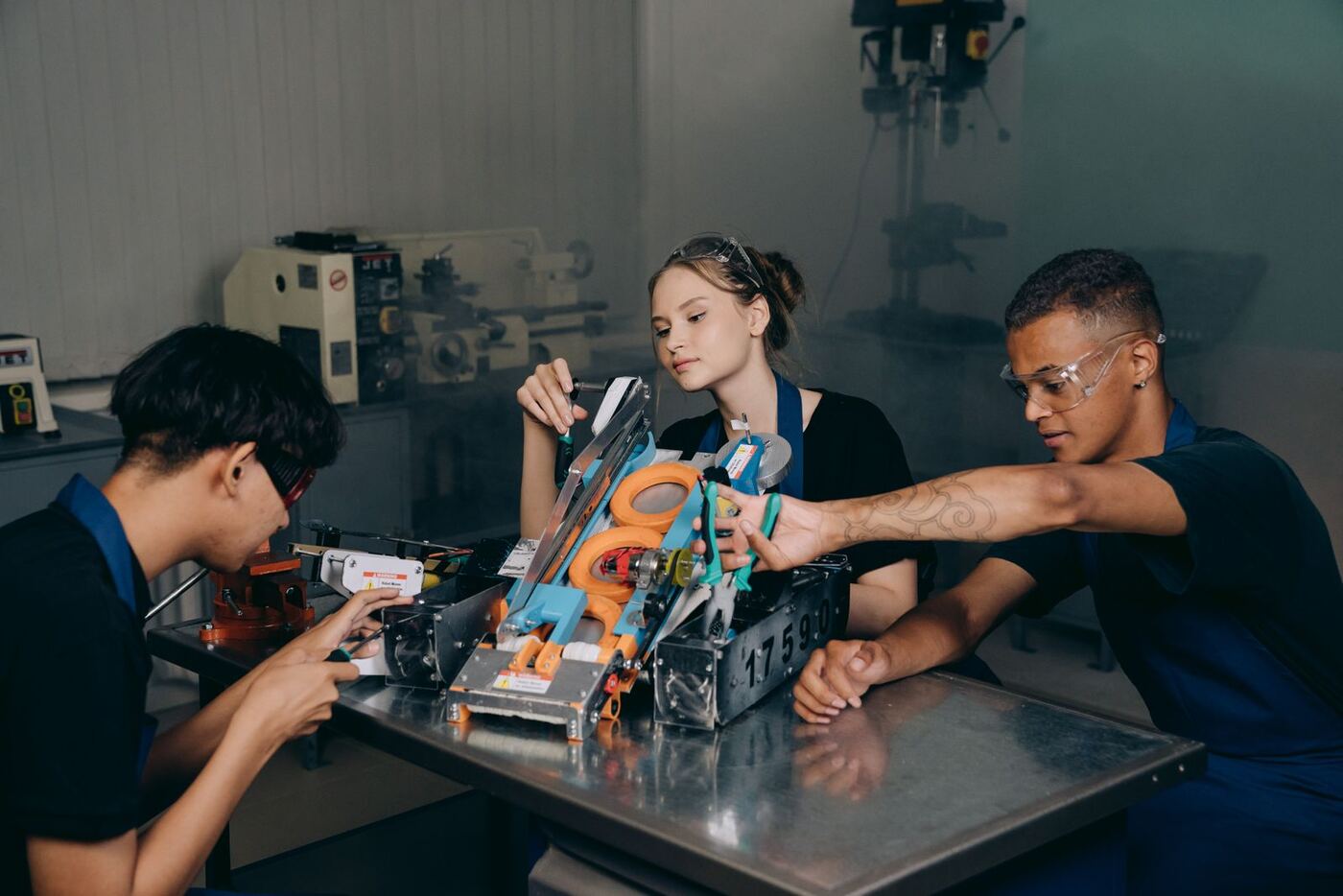
المحور الثاني: الذكاء الاصطناعي والتقنيات الهندسية المتقدمة
أهداف التنمية المستدامة: الهدف 9 – الصناعة والابتكار والهياكل الأساسية
موضوعات البحوث
الذكاء الاصطناعي، الأمن السيبراني، الروبوتات، الاتصالات، والأنظمة الذكية.
التخصصات التي يمكنها تقديم بحوث
علوم الحاسوب، الذكاء الاصطناعي، علوم وهندسة الأمن السيبراني، هندسة الحاسوب، هندسة الاتصالات، الهندسة الكهربائية والإلكترونية، والميكاترونكس.
المحاور الفرعية
- تطبيقات الذكاء الاصطناعي وتعلم الآلةبناء الخوارزميات الذكية، ومعالجة البيانات الضخمة، والرؤية الحاسوبية في القطاعات الإنتاجية.
- الأمن السيبراني وحماية البياناتأمن الشبكات، والتشفير، وحماية البنى التحتية الرقمية من الهجمات الإلكترونية.
- الروبوتات وأنظمة الميكاترونكسالأتمتة الصناعية، وتصميم الروبوتات الذكية، وأنظمة التحكم الآلي المتكاملة.
- شبكات الاتصالات الحديثة وإنترنت الأشياءتطوير تقنيات الاتصال اللاسلكي، وبناء المدن والمنازل والأنظمة الذكية المترابطة.
- الأنظمة الإلكترونية والكهربائية المتطورةتصميم الدوائر الإلكترونية الدقيقة، وتطوير المعالجات والأنظمة المدمجة.

المحور الثالث: الطاقة النظيفة والاستدامة البيئية
أهداف التنمية المستدامة: الهدف 7 – طاقة نظيفة وبأسعار معقولة، الهدف 6 – المياه النظيفة والنظافة الصحية، الهدف 11 – مدن ومجتمعات محلية مستدامة
موضوعات البحوث
الهندسة المدنية والمعمارية، النقل الذكي، التخطيط الحضري، الطاقة المتجددة، كفاءة الطاقة، المياه، النفايات، الرصد البيئي.
التخصصات التي يمكنها تقديم بحوث
الهندسة المدنية والمعمارية، التخطيط الحضري، هندسة النقل والطرق، المساحة ونظم المعلومات الجغرافية، هندسة الطاقة، الهندسة الكهربائية والميكانيكية، الهندسة البيئية والكيميائية، هندسة الموارد المائية، علوم البيئة، والكيمياء.
المحاور الفرعية
- الطاقة المتجددة وكفاءة استهلاك الطاقةتقنيات الطاقة الشمسية وطاقة الرياح، وحلول ترشيد الطاقة في المباني والمنشآت الصناعية.
- إدارة الموارد المائية ومعالجة المياهتقنيات تحلية وتنقية المياه، ومعالجة مياه الصرف الصحي، ومواجهة شح المياه.
- العمارة المستدامة والتخطيط الحضري الذكيتصميم المباني الخضراء، وتطوير شبكات النقل الذكي، وتقليل مخاطر الكوارث في المدن.
- إدارة النفايات والحد من التلوث البيئيتقنيات إعادة التدوير، وتحويل النفايات إلى طاقة، وأنظمة الرصد البيئي المستمر.
- التطبيقات الكيميائية والبيئية المستدامةتطوير العمليات الصناعية النظيفة، ومعالجة الملوثات الكيميائية في التربة والهواء.

المحور الرابع: الاقتصاد المنتج وريادة الأعمال
أهداف التنمية المستدامة: الهدف 8 – العمل اللائق ونمو الاقتصاد
موضوعات البحوث
الاقتصاد الرقمي، التمويل، إدارة الابتكار، تسويق المعرفة، وريادة الأعمال الجامعية.
التخصصات التي يمكنها تقديم بحوث
إدارة الأعمال، الاقتصاد، المحاسبة، العلوم المالية والمصرفية، التسويق، ونظم المعلومات الإدارية.
المحاور الفرعية
- الاقتصاد الرقمي والتكنولوجيا الماليةالتجارة الإلكترونية، وأنظمة الدفع الرقمي، والتحول الرقمي في المؤسسات المصرفية والمالية.
- إدارة الابتكار وتسويق المعرفةسبل ربط مخرجات البحث العلمي باحتياجات السوق، وحماية الملكية الفكرية، واستراتيجيات تسويق الابتكارات.
- المحاسبة ونظم المعلومات الإدارية الحديثةحوكمة الشركات، وتطوير أنظمة دعم القرار الإداري والمالي لتعزيز الإنتاجية.
المحور الخامس: الابتكار في التعليم العالي والشراكات الدولية
أهداف التنمية المستدامة: الهدف 4 – التعليم الجيد، الهدف 17 – عقد الشراكات لتحقيق الأهداف
موضوعات البحوث
التطوير المهني المستمر، التعلم المدمج، بناء المهارات، البحث المشترك، وتدويل التعليم العالي.
التخصصات التي يمكنها تقديم بحوث
علوم التربية وطرائق التدريس، إدارة الجودة والاعتماد الأكاديمي.
المحاور الفرعية
- طرائق التدريس الحديثة والتعلم المدمجتوظيف التقنيات الرقمية في التعليم، وتطوير المناهج الدراسية لتواكب متطلبات العصر.
- إدارة الجودة والاعتماد الأكاديميمعايير ضمان الجودة في مؤسسات التعليم العالي، وتحسين التصنيفات العالمية للجامعات.
متحدثون من
- وزارة التعليم العالي والبحث العلميالابتكار والتحول نحو الجامعات المنتجة
- منظمة الصحة العالمية (WHO)الابتكار في الرعاية الصحية وأثره في التنمية المستدامة
- جامعة بليموث البريطانيةالشراكات الأكاديمية الدولية ونقل المعرفة والابتكار
معرض التراث للابتكار والمشاريع الطلابية والشراكات الصناعية
Al-Turath Student Innovation & Industry Partnership Expo 2027
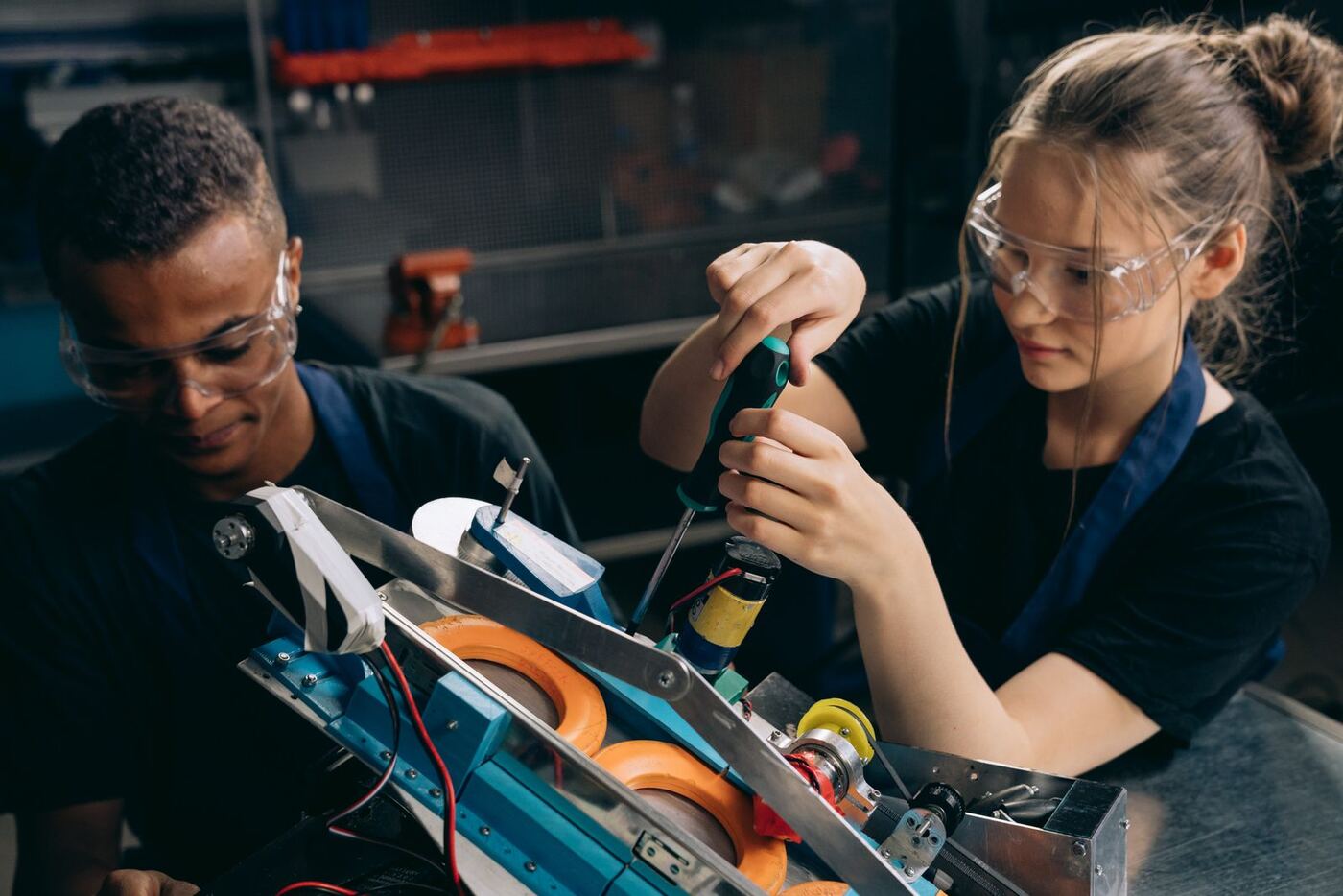
يُنظَّم على هامش المؤتمر معرض طلابي للمشاريع الابتكارية والتطبيقية بمشاركة عدد من الشركات والمؤسسات من مختلف القطاعات، بهدف إبراز قدرات الطلبة الإبداعية وتعزيز التواصل بين الجامعة وقطاع الأعمال، وإتاحة الفرص لتطوير المشاريع الطلابية وتحويل الأفكار المبتكرة إلى تطبيقات ومنتجات وخدمات قابلة للتنفيذ.
كما يسعى المعرض إلى تشجيع الشركات على تبنّي المشاريع الواعدة ودعمها، بما يعزز دور الجامعة المنتجة ويسهم في تحقيق أثر اقتصادي ومجتمعي مستدام.
جدول فعاليات المؤتمر
-
التسجيل والاستقبال
-
الافتتاح الرسمي وكلمات الترحيبرئاسة الجامعة، ممثل وزارة التعليم العالي
-
الابتكار والتحول نحو الجامعات المنتجةمتحدث من وزارة التعليم العالي والبحث العلمي
-
الابتكار في الرعاية الصحية وأثره في التنمية المستدامةمتحدث من منظمة الصحة العالمية (WHO)
-
الشراكات الأكاديمية الدولية ونقل المعرفة والابتكارمتحدث من جامعة بليموث البريطانية
-
استراحة
-
جلسة حوارية: من البحث العلمي إلى المشاريع المنتجةأكاديميون، ممثلو شركات، خبراء ابتكار
-
جلسة حوارية: دور الشركات والشراكات الدولية في دعم الابتكار الطلابيممثلو الشركات ومركز الابتكار، حاضنات التكنولوجيا
-
استراحة
-
الجلسات العلمية التخصصية المتوازيةالباحثون ورؤساء الجلسات
-
جولة رسمية في معرض الابتكار والمشاريع الطلابية بمشاركة الشركات
The 17th Annual Scientific Conference of Al-Turath University 2027
Innovation and Partnerships for Productive Universities with Lasting Impact
المؤتمر العلمي السنوي السابع عشر لجامعة التراث 2027
About the Conference
Vision
For the conference to be a scientific platform that helps consolidate the role of productive universities in transforming knowledge into applied solutions with lasting impact.
Mission
To provide a scientific environment that brings together researchers, academics, and local and international partners to exchange knowledge, present rigorous research, and strengthen innovation and research collaboration, turning scientific outputs into innovative, productive projects that serve society and advance sustainable development.
Conference Objectives
-
InnovationPromote innovation in the medical, engineering, scientific and economic fields, and encourage the development of innovative solutions that respond to community needs and development challenges.
-
PartnershipsActivate local and international academic and research partnerships by encouraging joint research, exchanging expertise, transferring knowledge and technology, and developing cooperation programs between universities and research institutions.
-
The productive universitySupport the transition towards productive universities by linking research outputs to the needs of society and the labour market, and strengthening the role of universities in producing knowledge and turning it into applications of economic and social value.
-
EntrepreneurshipEncourage entrepreneurship and support turning ideas and research results into prototypes, products and applicable solutions in collaboration with local and international institutions and partners.
-
Sustainable developmentContribute to the Sustainable Development Goals (SDGs) by directing research, innovation and partnerships towards lasting scientific, economic, environmental and social impact.
Conference Tracks & Sustainable Development Goals
Choose a track to see which Sustainable Development Goals it serves.
Track 1: Health, Medical and Pharmaceutical Sciences
Sustainable Development Goals: SDG 3 – Good Health and Well-being
Research Topics
Medicine, dentistry, pharmacy, public health, diagnostics and biomaterials.
Eligible Disciplines
Medicine, dentistry, pharmacy, medical laboratory techniques, public health, life sciences, and biomedical engineering.
Sub-tracks
- Medical Diagnosis and Advanced Laboratory TechniquesEarly disease detection, development of precise laboratory tests, and the use of modern technologies in pathological analysis.
- Drug Innovation and Clinical PharmacyDrug manufacturing, development of drug delivery systems, and improving pharmaceutical care for patients.
- Biomedical Engineering and BiomaterialsDesign of assistive medical devices, and development of substitutes and biomaterials used in surgery and dentistry.
- Clinical Medicine and Oral & Dental HealthThe latest therapeutic and preventive approaches in medicine, oral surgery and orthodontics.
- Public Health and Epidemic PreventionHealthcare policies, community health promotion, and reducing the spread of chronic and infectious diseases.
Track 2: Artificial Intelligence and Advanced Engineering Technologies
Sustainable Development Goals: SDG 9 – Industry, Innovation and Infrastructure
Research Topics
Artificial intelligence, cybersecurity, robotics, communications, and smart systems.
Eligible Disciplines
Computer science, artificial intelligence, cybersecurity science and engineering, computer engineering, communications engineering, electrical and electronic engineering, and mechatronics.
Sub-tracks
- AI and Machine Learning ApplicationsBuilding intelligent algorithms, big data processing, and computer vision in productive sectors.
- Cybersecurity and Data ProtectionNetwork security, cryptography, and protecting digital infrastructure from cyber attacks.
- Robotics and Mechatronic SystemsIndustrial automation, smart robot design, and integrated automatic control systems.
- Modern Communication Networks and the Internet of ThingsDeveloping wireless communication technologies and building connected smart cities, homes and systems.
- Advanced Electronic and Electrical SystemsMicroelectronic circuit design, and development of processors and embedded systems.
Track 3: Clean Energy and Environmental Sustainability
Sustainable Development Goals: SDG 7 – Affordable and Clean Energy; SDG 6 – Clean Water and Sanitation; SDG 11 – Sustainable Cities and Communities
Research Topics
Civil and architectural engineering, smart transport, urban planning, renewable energy, energy efficiency, water, waste, and environmental monitoring.
Eligible Disciplines
Civil and architectural engineering, urban planning, transportation and highway engineering, surveying and GIS, energy engineering, electrical and mechanical engineering, environmental and chemical engineering, water resources engineering, environmental sciences, and chemistry.
Sub-tracks
- Renewable Energy and Energy EfficiencySolar and wind energy technologies, and energy-saving solutions in buildings and industrial facilities.
- Water Resources Management and Water TreatmentDesalination and purification technologies, wastewater treatment, and tackling water scarcity.
- Sustainable Architecture and Smart Urban PlanningGreen building design, smart transport networks, and reducing disaster risk in cities.
- Waste Management and Pollution ReductionRecycling technologies, waste-to-energy, and continuous environmental monitoring systems.
- Sustainable Chemical and Environmental ApplicationsDeveloping clean industrial processes and treating chemical pollutants in soil and air.
Track 4: Productive Economy and Entrepreneurship
Sustainable Development Goals: SDG 8 – Decent Work and Economic Growth
Research Topics
Digital economy, finance, innovation management, knowledge marketing, and university entrepreneurship.
Eligible Disciplines
Business administration, economics, accounting, financial and banking sciences, marketing, and management information systems.
Sub-tracks
- Digital Economy and Financial TechnologyE-commerce, digital payment systems, and digital transformation in banking and financial institutions.
- Innovation Management and Knowledge MarketingLinking research outputs to market needs, protecting intellectual property, and strategies for commercialising innovations.
- Accounting and Modern Management Information SystemsCorporate governance, and developing managerial and financial decision-support systems to enhance productivity.
Track 5: Innovation in Higher Education and International Partnerships
Sustainable Development Goals: SDG 4 – Quality Education; SDG 17 – Partnerships for the Goals
Research Topics
Continuous professional development, blended learning, skills building, joint research, and internationalisation of higher education.
Eligible Disciplines
Educational sciences and teaching methods, quality management and academic accreditation.
Sub-tracks
- Modern Teaching Methods and Blended LearningUsing digital technologies in education and developing curricula to meet contemporary needs.
- Quality Management and Academic AccreditationQuality assurance standards in higher education institutions and improving universities' global rankings.
Speakers from
- Ministry of Higher Education and Scientific ResearchInnovation and the Transition to Productive Universities
- World Health Organization (WHO)Innovation in Healthcare and Its Impact on Sustainable Development
- University of Plymouth, UKInternational Academic Partnerships, Knowledge Transfer and Innovation
Al-Turath Student Innovation & Industry Partnership Expo 2027
معرض التراث للابتكار والمشاريع الطلابية والشراكات الصناعية
Held alongside the conference, a student exhibition of innovative and applied projects with the participation of companies and institutions from various sectors. It aims to showcase students' creative abilities, strengthen links between the university and the business sector, and create opportunities to develop student projects and turn innovative ideas into implementable applications, products and services.
The Expo also encourages companies to adopt and support promising projects, reinforcing the role of the productive university and contributing to lasting economic and social impact.
Conference Program
-
Registration and Reception
-
Official Opening and Welcome SpeechesUniversity Presidency; Representative of the Ministry of Higher Education
-
Innovation and the Transition to Productive UniversitiesSpeaker from the Ministry of Higher Education and Scientific Research
-
Innovation in Healthcare and Its Impact on Sustainable DevelopmentSpeaker from the World Health Organization (WHO)
-
International Academic Partnerships, Knowledge Transfer and InnovationSpeaker from the University of Plymouth, UK
-
Break
-
Panel Discussion: From Scientific Research to Productive ProjectsAcademics, company representatives, innovation experts
-
Panel Discussion: The Role of Companies and International Partnerships in Supporting Student InnovationCompany representatives, the Innovation Centre, technology incubators
-
Break
-
Parallel Specialised Scientific SessionsResearchers and session chairs
-
Official Tour of the Innovation & Student Projects Expo with Participating Companies